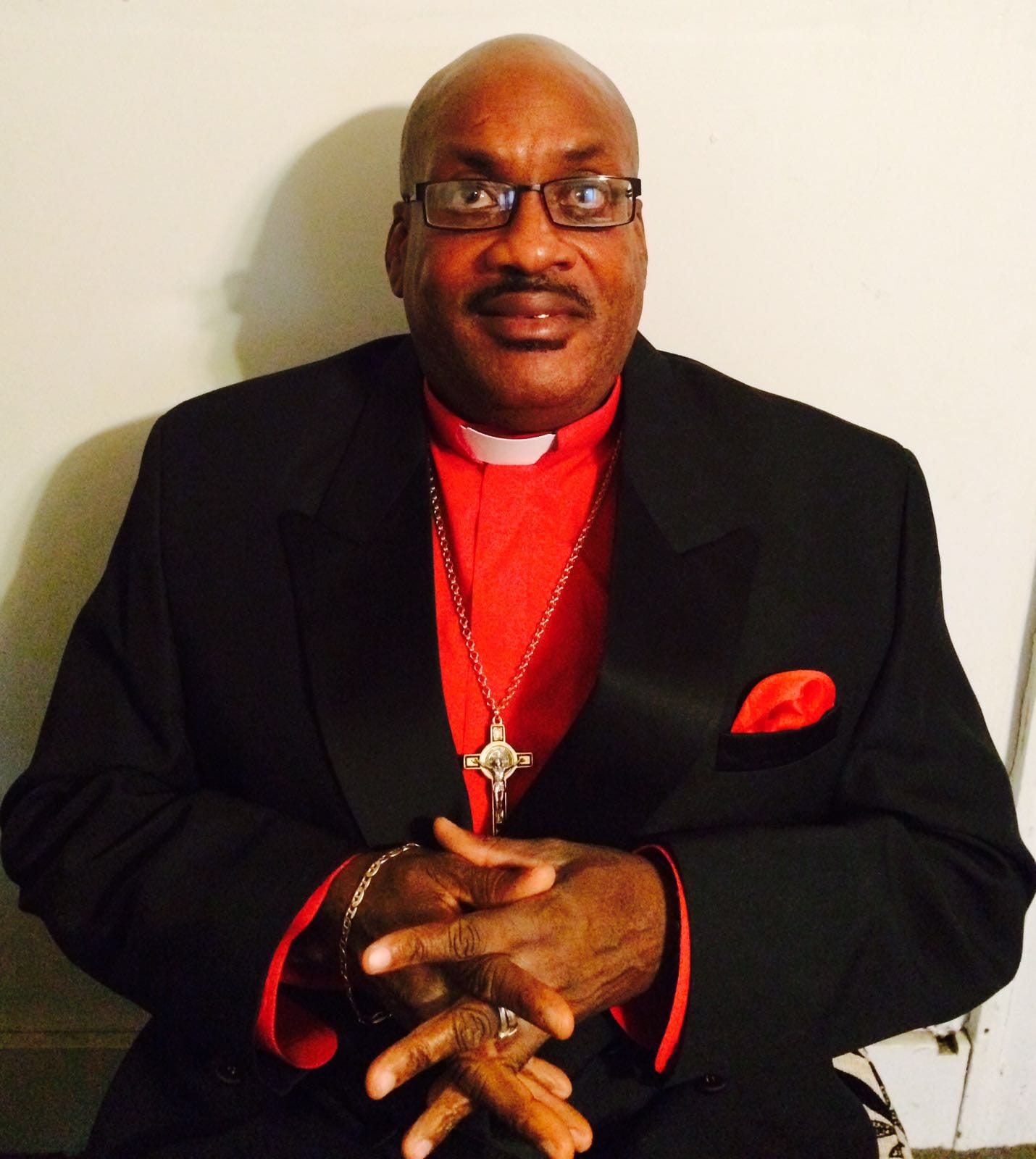
HH, Sir Godfrey Gregg D.Div
When was the last time you sat down and evaluated your testimony? Not the story of how the Lord saved you, but the daily testimony of your life. What does your life say about your faith, your knowledge of God and His Word, and your love for His people? In simple terms, what is your reputation?
We’ve been looking at the apostle Paul’s list of qualifications for church leaders (1 Timothy 3:2-3). Many of the character traits he describes are born in the leader’s reputation over time. Paul’s not just giving a list of dos and don’ts, past sins or past successes—he’s painting a vivid portrait of what a godly shepherd’s life must look like at the character level.
The pastor’s reputation is a vital element of his ministry. What he’s known for in the community extends to the reputation of the rest of his church, as well as the reputation of God’s Word. If, for example, the pastor was known for having a foul mouth and a coarse sense of humour, that would colour the reputation of his entire congregation. It would also indicate to the outside world that the pastor and the rest of his church do not take seriously what Scripture says about that kind of speech
Ephesians 5:4 Neither filthiness, nor foolish talking, nor jesting, which are not convenient: but rather giving of thanks.Colossians 3:8 But now ye also put off all these; anger, wrath, malice, blasphemy, filthy communication out of your mouth.
Today we’re going to discuss another necessary aspect of the pastor’s reputation—another vital quality that he must exhibit to be a godly shepherd.
Not Addicted to Wine
Paul says the one who desires to be a leader in the church must not be addicted to wine (1 Timothy 3:3). The apostle’s concern is not whether the man in question gets drunk. Obviously, someone given to drunkenness would in no way be qualified for the ministry. Rather, an elder who is “not addicted to wine” is a man who does not have a reputation as a drinker. He doesn’t frequent bars or involves himself in the scenes associated with drinking.
The Bible points out the tragic consequences when leaders are drinkers. Isaiah blasted the spiritual leaders of Israel for this very sin:
But they also have erred through wine, and through strong drink are out of the way; the priest and the prophet have erred through strong drink, they are swallowed up of wine, they are out of the way through strong drink; they err in vision, they stumble in judgment. (Isaiah 28:7)
Isaiah 56:9-12 adds,
All ye beasts of the field, come to devour, yea, all ye beasts in the forest. 10 His watchmen are blind: they are all ignorant, they are all dumb dogs, they cannot bark; sleeping, lying down, loving to slumber. 11 Yea, they are greedy dogs which can never have enough, and they are shepherds that cannot understand: they all look to their own way, every one for his gain, from his quarter. 12 Come ye, say they, I will fetch wine, and we will fill ourselves with strong drink; and to morrow shall be as this day, and much more abundant.
A man who is known for his drinking has no place in the ministry. He is a poor example, and will surely be the cause of serious sin and disaster in the lives of others who follow his example—justifying their indulgence because of their leader. Instead, a godly shepherd must be a man whose associations are radically different from those of the world, and whose example leads others to righteous conduct, not sin.
A Little Wine for Timothy’s Stomach?
Some pastors might appeal to Paul’s exhortation for Timothy to drink some wine (1 Timothy 5:23) to defend their own use of alcohol. But that defence crumbles under closer examination. In ancient times most people consumed wine since it was the staple liquid to drink. The water was impure, and mixing the wine with water not only significantly diluted the alcohol content, but purified the water. A mixture of eight parts water to one part wine was common, so as to avoid any dissipating effect.
Timothy was even reluctant to take the mixed wine, so as not to set a bad example and cause someone to stumble. Thus, he was committed to abstinence, and Paul had to tell him, “No longer drink water exclusively, but use a little wine for the sake of your stomach and your frequent ailments” (1 Timothy 5:23). Drinking only water was contributing to his poor health.
Today the same circumstances don’t apply. And even if you subscribe to the potential health benefits of moderate alcohol consumption, Paul’s exhortation has much more to do with how you drink than whether or not you do it at all. Is it an occasional drink in the privacy of your own home? Or is it a key facet of your public persona and a constant topic of conversation? Bottom line: Are you known as a drinker?
If so, Paul says you’re disqualified from leadership in the church.
Since the word of God is of no private interpretation, I am not usurping any authority over anyone. Just know that you are accountable o God for your behaviour in private and especially in the eyes of the public. There are some church folks who drink to convey a message to their members and claim that they are under manifestation, but from whom? Who is the guiding spirit, but this I can say unto you, try every spirit the spirit and you will find many to be spirits of ERROR. Many people only manifest when they are drinking or drunk. Is God pleased with that behaviour? I personally don’t think so.
Wake up my people and watch unto prayer, for the hour is later than we think. Any minister that does not preach the word means two things:
- he or she is not reading and committing to prayer
- he or she is listening o gossip and can only mix the ruth with hearsay
It is my prayer that you listen like little Samuel and when not certain ask Eli for guidance. I do not have the answer to everything, so I consult my elders and you can do likewise.
May Almighty God open our eyes to see and behold the glorious mysteries of the Kingdom of God.
You should log in to submit a review.
Discover more from THE MYSTICAL ORDER MINISTRIES
Subscribe to get the latest posts sent to your email.