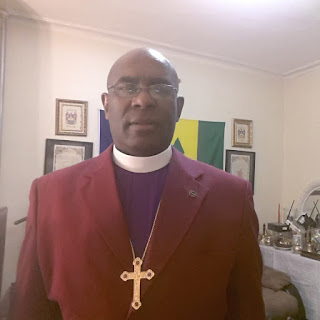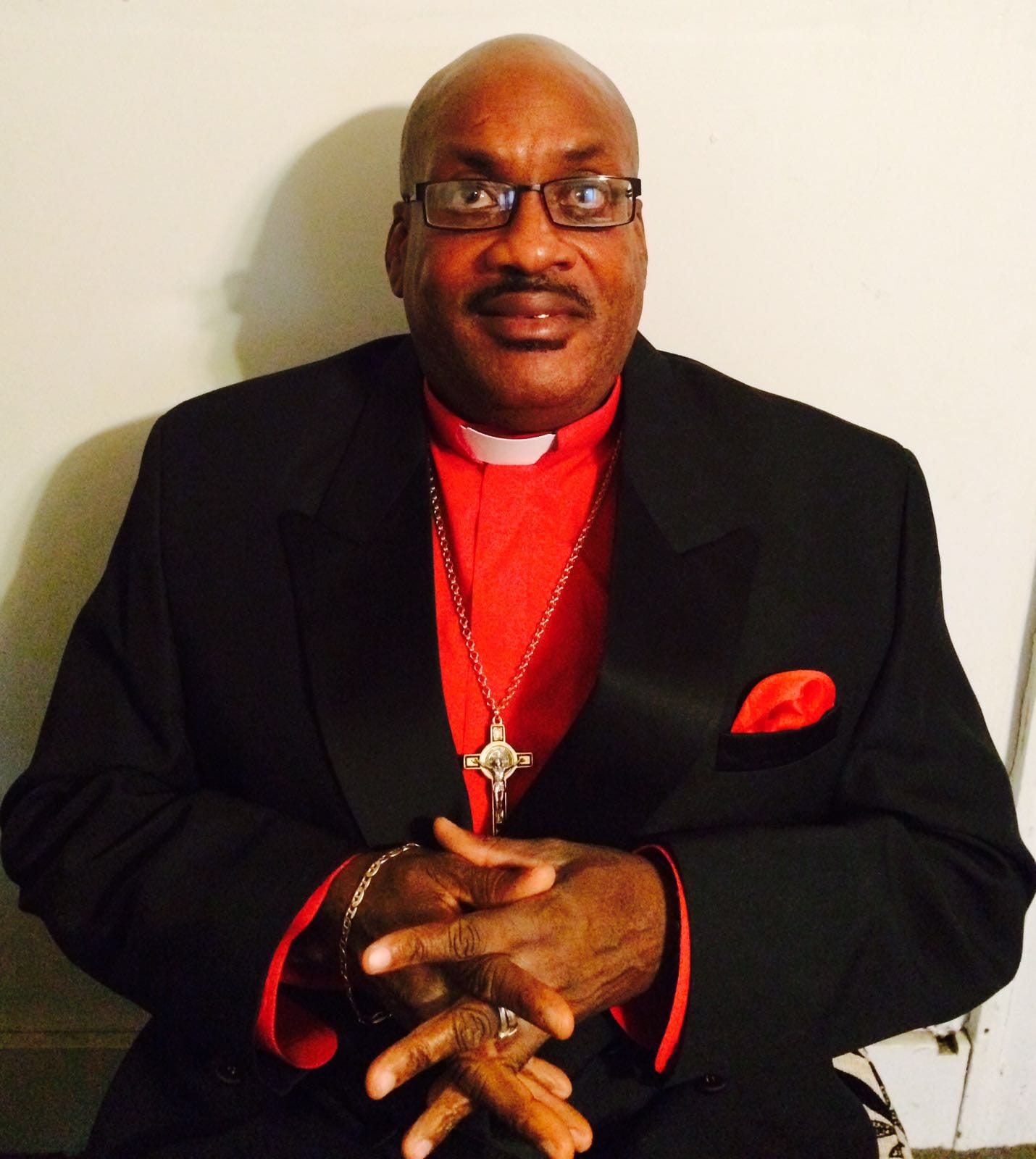
By Patriarch Godfrey Gregg
The apostle Paul’s warning echoes through the centuries with piercing clarity: “The love of money is the root of all evil” (1 Timothy 6:10). This profound truth carries particular weight within the sacred walls of our churches, where the faithful entrust their tithes, offerings, and donations with the expectation that these resources will advance God’s kingdom, not personal kingdoms.
The Sacred Duty of Financial Stewardship
Church finances are not a family heirloom to be passed down through bloodlines or treated as personal inheritance. They represent the sacrificial giving of believers who work hard to support the mission of the Gospel. When a single mother gives her widow’s mite, when a labourer offers his tithe, when a congregation donates for a specific ministry—each contribution carries with it a sacred trust that demands the highest standards of accountability.

The head of any religious organization bears a solemn responsibility before God and the congregation to ensure that every cent of church money is accounted for on every occasion. This is not merely about legal compliance or organizational best practices; it is fundamentally a spiritual matter that touches the heart of Christian integrity.
The Danger of Financial Opacity
History has shown us repeatedly what happens when church leaders operate in financial secrecy. Congregations lose faith, ministries collapse under scandal, and the name of Christ is dragged through the mud. The world watches how we handle money, and our testimony stands or falls on whether we demonstrate honesty in all things.
When financial accountability is absent, the door swings wide open for temptation. Even the most spiritually mature leaders can stumble when they operate without oversight. The scripture reminds us that “the heart is deceitful above all things” (Jeremiah 17:9), and unchecked access to funds without proper accounting creates an environment where corruption can take root.
Biblical Principles of Financial Accountability
The Bible provides clear principles for handling resources entrusted to spiritual leaders:
Transparency Before God and Man: Paul wrote, “We are taking pains to do what is right, not only in the eyes of the Lord but also in the eyes of man” (2 Corinthians 8:21). Financial records should be clear, accessible, and able to withstand scrutiny from both the congregation and external auditors.
Multiple Witnesses: In the early church, offerings were handled by multiple people to ensure integrity. No single individual should have unchecked control over church finances. Checks and balances protect both the ministry and the minister.
Designated Gifts Must Be Honoured: When donors give for specific causes—whether it’s building funds, missions, or community outreach—those funds must be used for their intended purpose. To redirect such donations without explicit permission is a breach of trust and potentially fraudulent.
Regular Reporting: Congregations have a right to know how their contributions are being used. Regular financial reports, presented clearly and honestly, build trust and demonstrate that leaders have nothing to hide.
Practical Accountability Measures
Every church, regardless of size, should implement basic financial safeguards:
- Establish a finance committee with members who are not related to pastoral leadership
- Require multiple signatures on checks above a certain amount
- Conduct annual audits by independent accountants
- Provide quarterly financial statements to the congregation
- Maintain detailed records of all income and expenditures
- Separate personal expenses from ministry expenses completely
- Document all decisions regarding the use of designated funds
The Temptation of Entitlement
Some ministers fall into the trap of believing that because they work for the church, they are entitled to use church funds as they see fit. This mentality transforms servants into lords, and stewards into owners. The church belongs to Christ, not to any human leader. Those who lead are called to serve, not to be served.
The moment a pastor or church leader begins to view the treasury as a personal resource, spiritual compromise has already taken root. The love of money—not money itself, but the love of it—becomes the root from which all manner of evil springs: deception, manipulation, abuse of authority, and the exploitation of the faithful.
Accountability as Worship
Proper financial stewardship is an act of worship. When we handle God’s resources with integrity, we honour Him. When we maintain meticulous records and transparent practices, we demonstrate that we take seriously the trust placed in us.
Churches that embrace accountability send a powerful message: “We fear God more than we desire your money. We value your trust more than we seek control. We will answer to the Highest Authority for how we handle what you’ve given.”
A Call to Reform
Too many ministries operate in the shadows when it comes to finances. Board meetings are held in secret, financial decisions are made without congregation input, and those who dare ask questions are labeled as troublemakers or lacking in faith.
This must change. The body of Christ deserves better. The watching world needs to see better. And most importantly, God demands better from those who claim to represent Him.
Every pastor, bishop, apostle, prophet, and church administrator must ask themselves: “If Jesus walked into my office today and asked to review the books, would I be found faithful?” If that question causes anxiety or hesitation, something is wrong.
Conclusion: The Weight of Trust
Church leadership is a high calling that comes with tremendous responsibility. Among these responsibilities, financial accountability stands as one of the most critical. It requires humility to submit to oversight, courage to maintain transparency, and integrity to resist temptation.
Let this be clear: every cent of church money MUST be accounted for on every occasion. Not most cents. Not approximately. Every single cent. Local state funds, denominational contributions, special offerings, memorial gifts, building funds—all of it must be tracked, recorded, and reported with absolute honesty.
The alternative is unthinkable: broken trust, damaged testimonies, and the possibility of standing before God having mishandled what was never ours to begin with. For the love of money may be the root of all evil, but the love of integrity, transparency, and faithful stewardship plants seeds of blessing that will bear fruit for generations to come.
May God give His church leaders the wisdom, courage, and commitment to handle sacred resources with the honour they deserve. And may the people of God hold their leaders accountable with grace, supporting those who steward well and refusing to tolerate those who do not.
The credibility of the Gospel depends on it. The trust of the faithful demands it. And the holiness of God requires nothing less.
Discover more from THE MYSTICAL ORDER MINISTRIES
Subscribe to get the latest posts sent to your email.