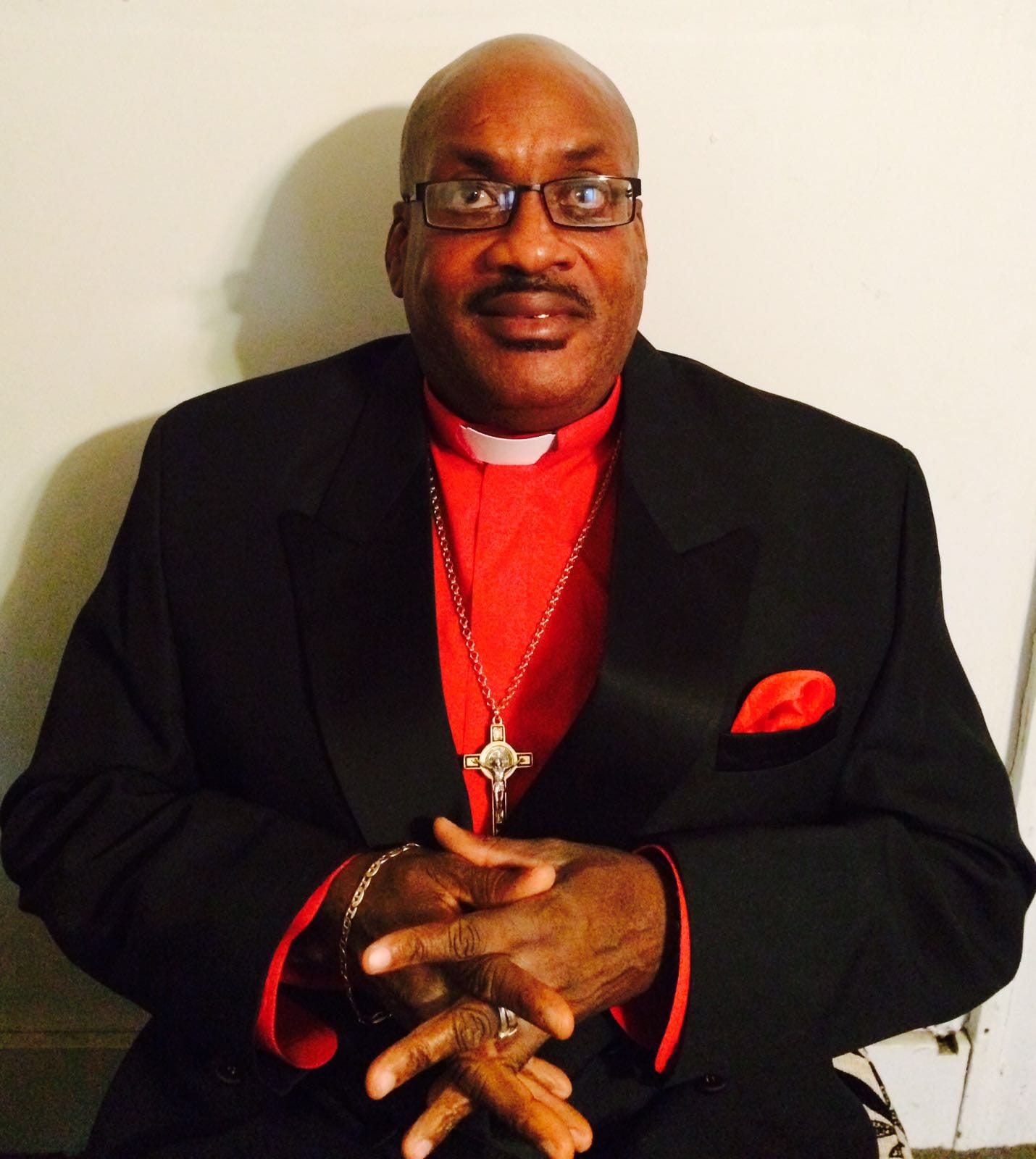
HIERARCHICAL STRUCTURE AND FORMS OF ADDRESS:
Supreme Leadership Ranks:
1. Patriarch and Chief Apostle / Patriarch and Presiding Prelate
- These are combined offices where one person holds dual roles
- Address: “Your Holiness” or “His Holiness (HH)”
- The Patriarch embodies all offices (Archbishop, Bishop, Cardinal, Apostle, and Deacon)
- Speaks with supreme spiritual authority on behalf of Heaven and Earth
2. Patriarch (standalone office)
- Address: “Your Holiness” or “His Holiness (HH)”
- The highest spiritual authority in the male hierarchy
- Living instrument of power with binding and loosing authority
3. Archbishop and Presiding Prelate (combined office)
- Address: “Your Grace” or “His Grace”
- Also, may be addressed as “His Beatitude”
- Serves as Chief Pastor and Primate
4. Archbishop
- Address: “Your Grace” or “His Grace”
- Senior episcopal rank
- Appoints the Chief Apostle
5. Chief Apostle
- Address: “Most Reverend” or “Your Eminence”
- Must be age 55+ and serve as Archbishop or hold an active office
- The highest spiritual authority directing all spiritual matters
6. Presiding Prelate
- Address: “Most Reverend” or “Your Eminence”
- Supreme earthly representative appointed by the Patriarch
- Chief Pastor with high ecclesiastical dignity
7. Cardinal
- Address: “Your Eminence” or “His Eminence”
- High-ranking church dignitary
8. Bishop
- Address: “Your Excellency” or “The Right Reverend”
- Episcopal office with pastoral authority
9. Pastors
- Address: “Reverend” or “Pastor”
- Local congregation leadership
10. Deacon
- Address: “Deacon [Name]” or “Reverend Deacon”
- Servant Ministry Office
Female Hierarchy:
11. Matriarch
- Address: “Your Holiness” or “Her Holiness”
- Parallel to Patriarch, the highest female spiritual authority
- Age 65-80; nominated from the Queen Abbess rank
- Living instrument of power with supreme spiritual authority
12. Crowned Queen Abbess
- Address: “Your Grace” or “Her Grace”
- Senior female prelate with royal designation
13. Queen Abbess
- Address: “Reverend Mother” or “Her Grace”
- Nominated by the Archbishop for potential elevation to Matriarch
14. Abbess
- Address: “Reverend Mother” or “Mother [Name]”
- Female monastic/spiritual leader
15. Deaconess
- Address: “Deaconess [Name]” or “Sister”
- Female servant ministry
16. Evangelist
- Address: “Evangelist [Name]” or “Reverend”
- Preaching and missionary ministry
Protocol Notes:
- Precedence follows the order listed above, with Patriarch being supreme
- Written correspondence should use full titles
- Ceremonial occasions require the most formal address
- Combined offices hold the authority and protocol of the highest office held
- The organization maintains both male and female parallel hierarchies with equivalent spiritual authority in their respective spheres
Comprehensive Protocol Guide for The Mystical Order of Spiritual Baptist Inc.
1. SPECIFIC CEREMONIAL PROTOCOLS
Processional Order (Highest to Lowest):
When entering for formal ceremonies, the order should be:
Male Hierarchy:
- Patriarch (and Chief Apostle/Presiding Prelate if combined)
- Archbishop and Presiding Prelate (combined office)
- Archbishop
- Chief Apostle
- Presiding Prelate
- Cardinal
- Bishop
- Pastors
- Deacons
- Evangelists
Female Hierarchy:
- Matriarch
- Crowned Queen Abbess
- Queen Abbess
- Abbess
- Deaconess
- Evangelists
Seating Arrangements:
- Sanctuary Platform: The Patriarch sits at the central position of honour, typically on an elevated throne or chair
- Right side of Patriarch: Archbishop, Chief Apostle, Presiding Prelate (in order of precedence)
- Left side of Patriarch: Cardinals and senior Bishops
- Matriarch: Seated in a position of honour on the female side, or at an equivalent position on the opposite side of the sanctuary
- Front rows: Reserved for Crowned Queen Abbess, Queen Abbesses, and senior female leadership
- Lower ranks: Seated according to office and seniority
Liturgical Roles During Services:
- Patriarch: Presides over supreme ceremonies; performs consecrations, ordinations, and supreme blessings
- Archbishop/Presiding Prelate: Leads when Patriarch is absent; performs episcopal functions
- Chief Apostle: Directs spiritual matters and may lead apostolic teachings
- Bishops: Assist in sacramental duties, preach, and oversee their jurisdictions
- Matriarch: Presides over female spiritual ceremonies and performs supreme cleansing
- Abbesses: Lead women’s spiritual activities and teachings
- Pastors/Deacons: Assist with practical service elements, readings, and communion
Reverencing Protocol:
- To Patriarch/Matriarch: Deep bow or genuflection; may kiss ring if offered
- To an Archbishop/Cardinal: Bow from the waist, or handshake
- To Bishop: Slight bow; hand kiss may be offered
- To Pastors and below: Respectful nod or handshake
2. WRITTEN CORRESPONDENCE PROTOCOLS
Formal Letter Addressing:
To the Patriarch:
His Holiness [Full Name]
Patriarch of The Mystical Order of Spiritual Baptist Inc.
[Address]
Your Holiness,
[Body of letter]
I remain, Your Holiness’s most obedient servant,
[Signature]
To Archbishop:
His Grace [Full Name]
Archbishop of [Jurisdiction]
The Mystical Order of Spiritual Baptist Inc.
[Address]
Your Grace,
[Body of letter]
Respectfully yours,
[Signature]
To Chief Apostle:
His Eminence [Full Name]
Chief Apostle
The Mystical Order of Spiritual Baptist Inc.
[Address]
Your Eminence,
[Body of letter]
Faithfully yours,
[Signature]
To Presiding Prelate:
The Most Reverend [Full Name]
Presiding Prelate
The Mystical Order of Spiritual Baptist Inc.
[Address]
Most Reverend Father,
[Body of letter]
Respectfully yours,
[Signature]
To Cardinal:
His Eminence [Full Name]
Cardinal of The Mystical Order
[Address]
Your Eminence,
[Body of letter]
Respectfully yours,
[Signature]
To Bishop:
The Right Reverend [Full Name]
Bishop of [Jurisdiction]
[Address]
Right Reverend Father, OR Your Excellency,
[Body of letter]
Respectfully yours,
[Signature]
To Pastor:
The Reverend [Full Name]
Pastor of [Church Name]
[Address]
Reverend Father, OR Dear Pastor [Last Name],
[Body of letter]
Sincerely yours,
[Signature]
To Matriarch:
Her Holiness [Full Name]
Matriarch of The Mystical Order Ministries
[Address]
Your Holiness,
[Body of letter]
I remain, Your Holiness’s most obedient servant,
[Signature]
To Queen Abbess/Crowned Queen Abbess:
Her Grace [Full Name]
[Crowned] Queen Abbess
The Mystical Order Ministries
[Address]
Your Grace, OR Reverend Mother,
[Body of letter]
Respectfully yours,
[Signature]
To Abbess:
Reverend Mother [Full Name]
Abbess of [Jurisdiction]
[Address]
Reverend Mother,
[Body of letter]
Respectfully yours,
[Signature]
To Deaconess:
Sister [Full Name]
Deaconess
[Church Name]
[Address]
Dear Sister [Last Name],
[Body of letter]
Sincerely,
[Signature]
Email Protocol:
- Subject line: Should indicate purpose and include appropriate title (e.g., “Request for Blessing – His Holiness”)
- Salutation: Use a formal address even in an email
- Signature block: Include full name, title (if applicable), and contact information
- Tone: Remain formal and respectful throughout
3. VERBAL GREETINGS AND INTRODUCTIONS
In-Person Greeting Protocol:
Meeting the Patriarch:
- Approach with reverence
- Wait to be acknowledged
- Say: “Your Holiness, I am honoured to be in your presence” or “Blessings, Your Holiness”
- If introduced: “Your Holiness, may I present [Name and title]”
Meeting an Archbishop:
- Bow slightly upon approach
- Say: “Your Grace” or “Blessings, Your Grace”
- If introduced: “Your Grace, may I present [Name]”
Meeting Chief Apostle/Cardinal:
- Respectful bow
- Say: “Your Eminence” or “Blessings, Your Eminence”
Meeting a Bishop:
- Respectful nod
- Say: “Your Excellency” or “Right Reverend Father” or “Blessings, Bishop [Last Name]”
Meeting Pastors/Deacons:
- Handshake or nod
- Say: “Reverend [Last Name]” or “Pastor [Last Name]” or “Deacon [Last Name]”
Meeting the Matriarch:
- Same protocol as Patriarch
- Say: “Your Holiness” or “Blessings, Your Holiness”
Meeting Female Leadership:
- Queen Abbess/Crowned Queen Abbess: “Your Grace” or “Reverend Mother”
- Abbess: “Reverend Mother” or “Mother [Last Name]”
- Deaconess: “Sister [Last Name]” or “Deaconess [Last Name]”
Public Introductions:
Announcing the Patriarch: “His Holiness, [Full Name], Patriarch of The Mystical Order of Spiritual Baptist Incorporated”
Announcing combined offices: “His Holiness, [Full Name], Patriarch and Chief Apostle of The Mystical Order”
Announcing the Archbishop: “His Grace, the Most Reverend [Full Name], Archbishop of [Jurisdiction]”
Announcing the Matriarch: “Her Holiness, [Full Name], Matriarch of The Mystical Order Ministries”
General format: [Title], [Full Name], [Office] of [Jurisdiction/Organization]
4. INSIGNIA AND VESTMENTS
Patriarch:
- Crown or Mitre: Supreme design, likely incorporating mystical symbols
- Pallium: White woollen band with crosses, symbol of supreme authority
- Ring: Patriarchal ring (may be kissed by subordinates)
- Staff/Crozier: Ornate pastoral staff with unique patriarchal design
- Colours: Purple, gold, or white with elaborate embroidery
- Pectoral Cross: Large, jewelled cross worn over vestments
- Stole: Wide, ornately decorated
Archbishop:
- Mitre: Episcopal mitre, tall and pointed
- Pectoral Cross: Gold or silver cross on a chain
- Ring: Episcopal ring
- Crozier: Curved pastoral staff
- Colours: Purple or red, indicating episcopal authority
- Cassock: Purple with red piping
- Stole: Wide with appropriate markings
Chief Apostle:
- Distinctive Badge: Special insignia denoting apostolic office
- Colours: May wear red to symbolize apostolic authority
- Cross: Apostolic cross design
- Vestments: Similar to episcopal but with apostolic symbols
Cardinal:
- Colours: Cardinal red/scarlet
- Biretta: Red cardinal’s cap (square hat with three ridges)
- Ferraiolo: Red silk cape
- Ring: Cardinal’s ring
- Pectoral Cross: Gold with jewels
Bishop:
- Mitre: Standard episcopal mitre
- Colors: Purple
- Pectoral Cross: Silver or gold
- Ring: Episcopal ring
- Crozier: Pastoral staff
- Cassock: Purple
Pastor:
- Clerical Collar: Black or white
- Cassock: Black
- Stole: Colored according to liturgical season
- Cross: Simple pectoral cross
Deacon:
- Dalmatic: Distinctive vestment worn by deacons
- Stole: Worn diagonally across the body (deacon’s style)
- Colours: Liturgical colours appropriate to the season
Matriarch:
- Crown or Veil: Supreme design with mystical symbols
- Colours: White, gold, or royal purple
- Ring: Matriarchal ring
- Staff: Female equivalent of patriarchal staff
- Pectoral Cross: Large, ornate
- Robes: Flowing, elaborate with spiritual symbols
Crowned Queen Abbess:
- Crown: Denoting royal spiritual status
- Colours: Deep purple or blue
- Veil: Ornate head covering
- Cross: Abbatial cross
Queen Abbess:
- Coronet or Circlet: Indicating rank
- Colours: Purple or blue
- Ring: Abbess ring
- Veil: Formal head covering
Abbess:
- Veil: Black or white
- Cross: Simple abbatial cross
- Ring: Simple ring of office
- Habit: Traditional monastic dress
Deaconess:
- Veil or Head Covering: Simple and modest
- Colours: Black, white, or grey
- Cross: Simple cross
- Habit or Uniform: Modest dress indicating office
Evangelist:
- Clerical Collar or Modest Dress
- Cross: Simple cross
- Badge: May wear evangelist badge or symbol
5. AUTHORITY AND JURISDICTION
Patriarch:
Powers:
- Supreme spiritual authority over the entire organization
- Binds and loses on earth and heaven
- Performs exorcisms with supreme authority
- Consecrates and ordains all ranks
- Issues with Patriarchal Orders that cannot be reversed
- Represents One Heaven and Earth
- Makes executive decisions when the council fails to meet
- Performs supreme blessing ceremonies
- Seals Deeds of Supreme Sovereignty
Jurisdiction:
- Universal authority over all branches
- Final arbiter in spiritual matters
- Speaks with the voice of the Holy Spirit
Archbishop:
Powers:
- Episcopal authority over assigned territory/jurisdiction
- Ordains priests and deacons
- Consecrates churches
- Appoints Chief Apostle
- May become Patriarch by extraordinary qualification
- Oversight of multiple dioceses or regions
Jurisdiction:
- Metropolitan authority over bishops in the region
- Administrative oversight of church property and finances
- Judicial authority in ecclesiastical matters
Chief Apostle:
Powers:
- The highest spiritual authority in directing the Church
- Proclaims Jesus Christ’s doctrine
- Appoints and ordains divisional apostles, apostles, and bishops
- Retires or dismisses clergy
- Determines boundaries of Sister Churches
- Sets up new divisional apostle areas
- Establishes annual budget through Provost
- Decrees regulations binding on all Sister Churches
- Consults on financial contributions
Jurisdiction:
- Authority over all New Apostolic District Churches
- Assigns areas of responsibility for pastoral care
- Makes financial decisions with Board of Trustees
- Directs church as a whole in spiritual matters
Relationship to Archbishop:
- Appointed by the Archbishop
- Must be age 55+ and hold an Archbishop rank or an active office
- Works in coordination with Patriarch
Presiding Prelate:
Powers:
- Supreme earthly representative of God and great spirits
- Appointed by Patriarch
- Chief Pastor and Primate
- Initiates and develops church policy and strategy
- Speaks God’s Word to church and world
- Visits every church under supervision
- Greater prelate with episcopal divisional authority
Jurisdiction:
- Public power of the church
- Preeminence with jurisdiction
- Ecclesiastical dignitary of high rank
- Authority comparable to patriarch, archbishop, or bishop, depending on appointment
Cardinal:
Powers:
- Advisory to Patriarch and Archbishop
- May serve on the Supreme Council
- High ecclesiastical authority
- Ceremonial and administrative functions
Jurisdiction:
- May oversee specific ministries or regions
- Participates in governance decisions
- Serves in an advisory capacity
Bishop:
Powers:
- Episcopal authority over the diocese
- Ordains deacons and priests (with permission)
- Confirms members
- Consecrates churches and altars
- Pastoral oversight of clergy
- Judicial authority in the diocese
Jurisdiction:
- Specific geographic diocese or functional area
- Administrative authority over churches in the diocese
- Supervises pastors and deacons
- Reports to the Archbishop
Pastor:
Powers:
- Sacramental authority in the local congregation
- Performs baptisms, marriages, and funerals
- Preaches and teaches
- Pastoral care of members
Jurisdiction:
- Local congregation
- Spiritual oversight of members
- Administrative leadership of the church
- Reports to Bishop
Deacon:
Powers:
- Assists in liturgical functions
- May preach (with permission)
- Assists with baptisms and communion
- Serves practical needs
Jurisdiction:
- Serves under the Pastor
- Limited sacramental authority
- Servant ministry
Matriarch:
Powers:
- Supreme female spiritual authority (parallel to Patriarch)
- Living instrument of power
- Performs the supreme blessing of the Earth
- Seals Deeds of Supreme National Sovereignty
- Performs supreme cleansing
- Conducts exorcisms
- Performs bindings
- Supreme Instantiation ceremonies
- Speaks with the authority of the Great Spirit
Jurisdiction:
- Authority over One Spirit of The Mystical Order Ministries
- Speaks on behalf of One Heaven
- Leader of Heaven and Earth (female spiritual sphere)
- Authority across all branches of female ministry
Qualifications:
- Age 65-80
- Must be Queen Abbess nominated by the Archbishop
- Ratified by Patriarch and Presiding Prelate
Queen Abbess (Crowned and Regular):
Powers:
- Spiritual leadership of female religious communities
- Teaches and guides women in faith
- Performs blessings within jurisdiction
- Nominates candidates for leadership
Jurisdiction:
- Oversees abbesses and deaconesses
- Specific regional or functional authority
- Reports to Matriarch
- The Crowned Queen Abbess has a wider jurisdiction
Abbess:
Powers:
- Local spiritual leadership
- Teaches women and children
- Conducts female spiritual ceremonies
- Pastoral care of women
Jurisdiction:
- Specific convent, mission, or ministry
- Supervises deaconesses in the area
- Reports to Queen Abbess
Deaconess:
Powers:
- Assists in female ministries
- Teaches children and women
- Practical service ministries
- May assist in certain ceremonies
Jurisdiction:
- Serves under the Abbess or the Pastor
- Limited to assigned duties
- Servant ministry role
Evangelist:
Powers:
- Preaching and teaching
- Missionary work
- Spreading the gospel
- May conduct revival services
Jurisdiction:
- Mobile/travelling ministry
- May work independently or under the Pastor
- Focuses on outreach and conversion
6. SUCCESSION PROTOCOLS
Patriarch Succession:
By Extraordinary Qualification:
- Current Archbishop becomes Patriarch
- The Archbishop is designated the successor as the Presiding Prelate
- Requires consent and a solemn oath from the clergy
- Must pledge obedience to God’s commands
By Ordinary Qualification:
- The current permanent Archbishop was nominated
- Bishop in Succession from the Executive Council
- Previous Apostolic Head/Archbishop declines elevation
- The term of office expired without re-appointment
Process:
- Nomination by Executive Council
- Ratification by the Supreme Council
- Consecration ceremony performed
- Assumes all patriarchal powers immediately
Vacancy:
- Archbishop assumes duties temporarily
- Executive Council convenes
- Selection within the prescribed timeframe
- Ordination and installation ceremony
Archbishop Succession:
- Nominated from the Bishop ranks
- Must meet qualifications in the bylaws
- Appointed by Patriarch or Executive Council
- Consecration by Patriarch or senior bishops
- Takes jurisdiction immediately upon consecration
Chief Apostle Succession:
Appointment:
- Appointed by the Archbishop
- Must be age 55+
- Must serve as Archbishop or hold an active office
- Ordained by the Archbishop
- Change announced to all congregations worldwide
Vacancy/Incapacity:
- If suddenly ill or incapacitated, the office is vacant
- The archbishop holds office until a successor is appointed
- Ordination and Consecration Committee appoints successor
- If no qualified candidate, a protem appointment until determination
Retirement:
- Chief Apostle may retire if incapacitated
- Should not continue beyond the successor appointment
- Communicates with the Archbishop and Provost
- Two independent physicians certify a temporary impediment
- The Provost opens the relevant succession document
Death or Unfitness:
- The Ordination and Consecration Committee meets within 5 days
- A committee appointed for the purpose of selecting a successor
- The new Chief Apostle must meet all qualifications
Bishop Succession:
- Nominated by the Archbishop or the clergy
- Ratified by Patriarch or Archbishop
- Must meet doctrinal and character requirements
- Consecrated by an Archbishop or multiple bishops
- Assumes jurisdiction upon consecration
Pastor Succession:
- Called by the congregation or appointed by the Bishop
- Must be ordained
- Installation service conducted by the Bishop
- Assumes pastoral duties upon installation
Matriarch Succession:
By Ordinary Qualification:
- Currently holds the position of Queen Abbess
- Nominated by the Archbishop
- Ratified by Patriarch and Presiding Prelate
- Age 65-80 eligible for confirmation
- A woman failing the qualifications is ineligible
Divine Remedy by Extraordinary Qualification:
- Special divine appointment possible
- Must be acknowledged by the Patriarch
- Requires transformation of Mystical Court resources
- The Executive Council enforces the covenant if the Patriarch refuses
- Divine Judgment is invoked if obligations are not met
Process:
- Nomination and ratification
- Supreme Instantiation ceremony
- Receives Notice of Divine Title and Right
- Assumes all matriarchal powers
Queen Abbess Succession:
- Nominated from the Abbess ranks
- Approved by Matriarch and Archbishop
- Consecration ceremony
- Assumes jurisdiction
Crowned Queen Abbess:
- Special elevation from Queen Abbess
- Additional ceremonial investiture
- The crown was bestowed in a ceremony
Abbess Succession:
- Elected by the religious community OR appointed by the Queen Abbess
- Must meet spiritual and administrative qualifications
- Blessed and installed by Queen Abbess or Bishop
- Assumes leadership of the convent/ministry
Lower Offices:
- Deacon/Deaconess: Ordained by Bishop; serves apprenticeship under Pastor
- Evangelist: Licensed or ordained by Bishop; may be commissioned for specific ministry
- Generally appointed or called based on gifts and qualifications
7. INTERACTION PROTOCOLS
Lower Ranks Approaching Higher Ranks:
Approaching the Patriarch:
- Request an audience through the Divine Secretary or the Archbishop
- Arrive early and wait to be summoned
- Enter only when invited
- Bow upon entering and leaving
- Speak only when addressed or granted permission
- Address as “Your Holiness”
- Back away rather than turning back (in very formal settings)
Approaching Archbishop/Cardinal:
- Request a meeting through the secretary or an appointment
- Bow upon greeting
- Wait to be seated
- Address as “Your Grace” or “Your Eminence”
- Formal but less rigid than Patriarch protocol
Approaching Bishop:
- Schedule an appointment or seek at designated times
- Respectful bow or handshake
- Address as “Your Excellency” or “Bishop [Last Name]”
- More accessible than higher ranks
- Still maintain respectful formality
Approaching Pastor:
- Generally accessible to the congregation
- May schedule a meeting or catch up after service
- Address as “Pastor [Last Name]” or “Reverend”
- Handshake or respectful greeting
- More informal but respectful
Approaching Matriarch:
- Same formal protocol as Patriarch
- Request audience through proper channels
- Female members may have more direct access
- Address as “Your Holiness”
- Deep reverence and respect
Approaching Female Leadership:
- Queen Abbess: Request meeting; address as “Your Grace” or “Reverend Mother”
- Abbess: Schedule visit; address as “Reverend Mother”
- Deaconess: Generally accessible; address as “Sister [Last Name]”
In Public Settings:
At Church Services:
- Stand when high-ranking clergy enter
- Bow or nod respectfully as they pass
- Do not approach during the processional or recessional
- Wait until after the service for personal greetings
- Allow higher ranks to exit first
At Formal Gatherings:
- Higher ranks are introduced first
- Stand when they enter the room
- Do not interrupt conversations with superiors
- Wait to be acknowledged before speaking
- Follow seating protocol (never sit before superiors)
At Meals:
- Wait for the highest rank to be seated
- The highest rank offers a blessing
- Do not begin eating until the highest rank starts
- Defer to higher ranks in conversation
Communication Etiquette:
Speaking to Superiors:
- Always use a proper title
- Do not interrupt
- Be concise and respectful
- End with appropriate closing (“Thank you, Your Holiness”)
- Do not argue or contradict directly
In Meetings:
- Speak only when recognized
- Address the chair properly
- Yield floor to higher ranks
- Rise when speaking (in formal councils)
Conflict Resolution:
- Go through proper channels
- Never publicly challenge a superior
- Submit written concerns through the appropriate intermediary
- Accept decisions with grace
Physical Proximity:
Personal Space:
- Maintain respectful distance (3-4 feet minimum for Patriarch/Matriarch)
- Never touch without permission
- Do not block the pathway of higher ranks
- Step aside when they approach
Processions:
- Lower ranks never walk ahead of higher ranks
- Maintain the prescribed distance
- Match the pace of the procession
- Exit in reverse order of entrance
Special Circumstances:
Emergency Situations:
- The protocol may be relaxed for urgent matters
- Still show respect even in a crisis
- Patriarch/Matriarch informed immediately of serious issues
- The chain of command is maintained unless it is life-threatening
Informal Church Events:
- Slightly relaxed protocol acceptable
- Still use proper titles
- High ranks may initiate less formal interaction
- Follow their lead on the level of formality
Private vs. Public:
- Public settings require the strictest protocol
- Private meetings may be more conversational
- Always err on the side of formality until told otherwise
- Never presume familiarity
8. ADDITIONAL CEREMONIAL PROTOCOLS
Ordination and Consecration Ceremonies:
Patriarch Ordination:
- Most elaborate ceremony
- Multiple days of preparation
- Anointing with holy oil
- Investiture of all insignia
- Enthronement
- Representatives from all branches attend
- Public declaration of powers
- Sealing of covenant documents
Episcopal Consecration (Archbishop/Bishop):
- Requires the presence of consecrating bishop(s)
- Laying on of hands by multiple bishops
- Anointing of hands and head
- Presentation of Bible, ring, mitre, and crozier
- Oath of office
- Seating in a cathedral (cathedra)
Priestly/Pastoral Ordination:
- Conducted by Bishop
- Laying on of hands
- Anointing of hands
- Presentation of chalice and paten
- Vesting in priestly garments
- First blessing given
Diaconal Ordination:
- Conducted by Bishop
- Laying on of hands
- Presentation of the Book of Gospels
- Vesting in a dalmatic
- Commissioning for service
Matriarch Installation:
- A parallel ceremony to the Patriarch
- Supreme Instantiation ceremony
- Anointing and crowning
- Presentation of staff and ring
- Sealing of Divine Title documents
- Female clergy present
- Public declaration of spiritual authorities
Blessing Ceremonies:
Supreme Blessing (by Patriarch/Matriarch):
- Most formal and powerful
- Invokes all spiritual authorities
- Binding in heaven and earth
- Witnesses required
- Documented and sealed
Episcopal Blessing (by Archbishop/Bishop):
- Formal blessing with the sign of the cross
- May include anointing
- Given at the conclusion of services
- Special occasions (homes, businesses, events)
Pastoral Blessing:
- Regular service blessings
- Personal blessings upon request
- Less formal but still sacramental
Holy Days and Special Observances:
Installation Anniversaries:
- Patriarch/Matriarch anniversaries are celebrated church-wide
- Special services and recognitions
- Renewal of vows may occur
Feast Days:
- Patron saints of offices honoured
- Special vestments worn
- Formal protocol observed
General Assemblies:
- All hierarchy present
- Strict seating and protocol
- Official church business conducted
- Votes taken according to rank
This comprehensive guide provides the framework for proper protocol within The Mystical Order of Spiritual Baptist Inc. Remember that the spirit of these protocols is to maintain order, show respect for spiritual authority, and honour the sacred offices established by divine ordinance.